🕒 10-12 min read • Updated: July 2026
Table of Contents
introduction
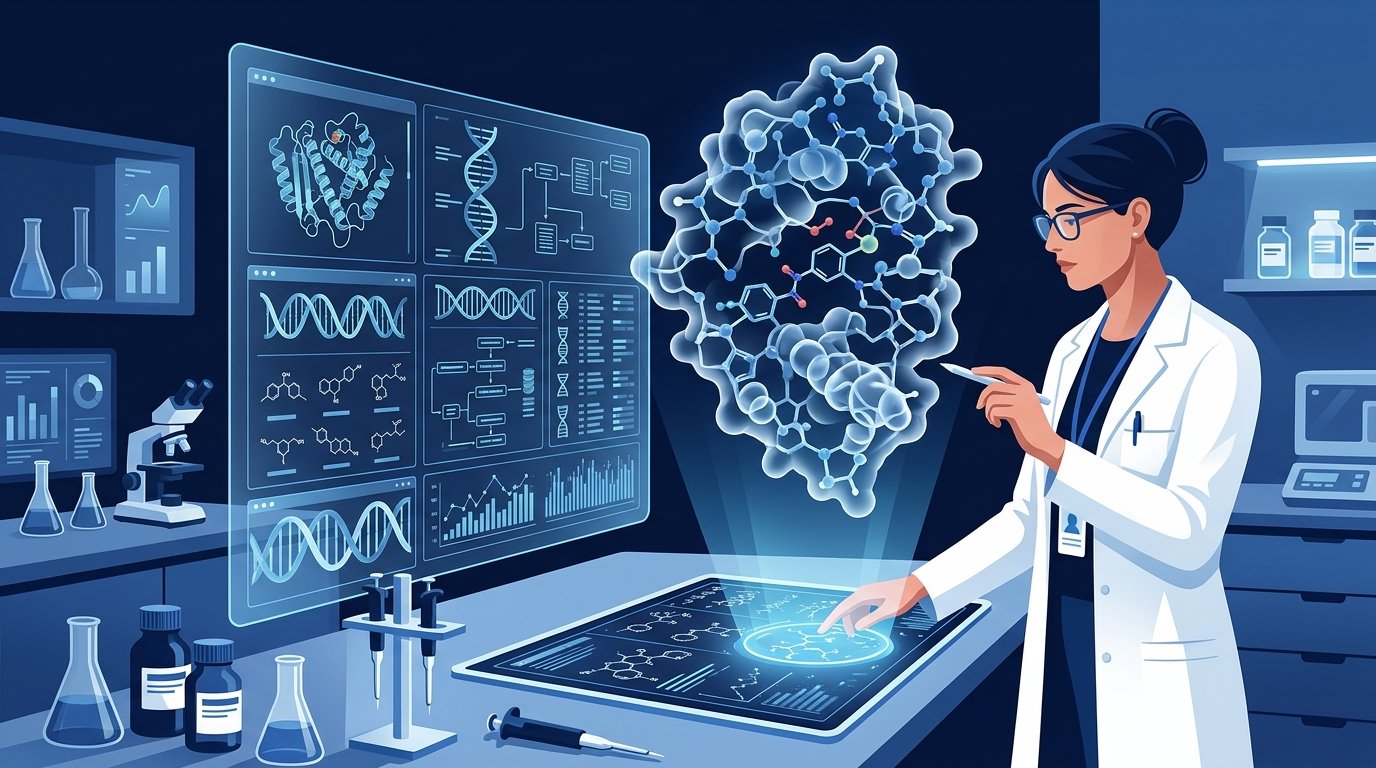
Artificial intelligence (AI) is transforming industries worldwide, and healthcare is one of its most impactful applications. Among its many uses, AI in drug discovery stands out for its potential to help researchers develop new medicines faster, reduce research costs, and improve patient outcomes.
Traditionally, discovering a new drug has been a slow, expensive, and high-risk process. Scientists often spend years screening thousands of chemical compounds, running laboratory experiments, and conducting clinical trials before a single medicine reaches patients. Despite these efforts, many promising drug candidates fail during development, making drug discovery one of the most challenging areas of medical research.
Today, artificial intelligence is helping researchers approach this challenge differently. By analyzing enormous volumes of biological, chemical, and clinical data in a fraction of the time it would take humans, AI can identify promising drug candidates, predict how molecules may behave, and support scientists in making faster, more informed decisions.
While AI cannot replace laboratory testing or the expertise of medical researchers, it has become a powerful tool that complements traditional research methods and accelerates innovation across the pharmaceutical industry.
In this beginner-friendly guide, you’ll learn:
- What AI in drug discovery is
- Why traditional drug discovery takes so long
- How AI supports each stage of the drug discovery process
- Real-world examples of AI in pharmaceutical research
- Benefits and limitations of AI-driven drug discovery
- The future of AI in medicine
Whether you’re a student, healthcare professional, or simply curious about how artificial intelligence is changing modern medicine, this guide will help you understand one of AI’s most important real-world applications.
Quick Answer
AI in drug discovery is the use of artificial intelligence and machine learning to help researchers identify potential medicines, predict how drug molecules behave, analyze biological data, and accelerate the development of new treatments. Instead of replacing scientists, AI supports them by reducing the time and cost required to discover promising drug candidates.
Key Takeaways
- AI helps researchers discover new medicines faster.
- Machine learning can analyze millions of biological and chemical data points in a short time.
- AI supports drug target identification, molecule screening, toxicity prediction, and clinical trial planning.
- Pharmaceutical companies use AI to reduce research costs and improve decision-making.
- Human scientists remain essential for laboratory validation, clinical testing, and regulatory approval.
What Is Drug Discovery?
Drug discovery is the scientific process of finding and developing new medicines that can safely treat or prevent diseases.
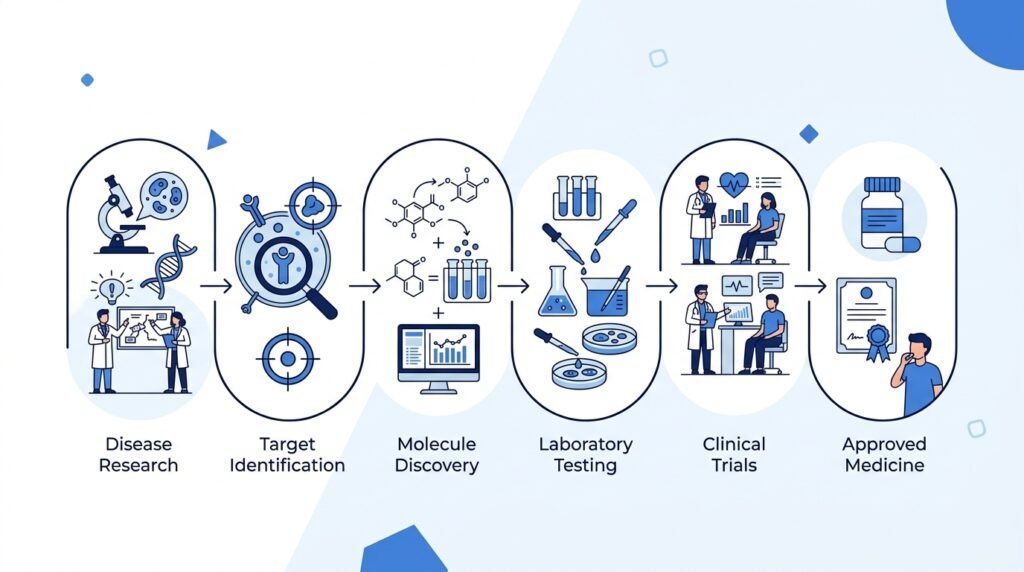
Before a medicine reaches hospitals or pharmacies, researchers must identify a disease, understand how it affects the body, discover molecules that may treat it, test those molecules extensively, and complete several phases of clinical trials. Only after rigorous evaluation by regulatory authorities can a new drug become available to patients.
This process is incredibly complex. On average, developing a single successful medicine can take 10 to 15 years and require investments of billions of dollars, with many potential drug candidates failing before they ever reach the market.
A simplified drug discovery process includes:
- Identifying the biological target associated with a disease.
- Discovering or designing molecules that may interact with that target.
- Testing promising candidates in laboratories.
- Conducting preclinical safety studies.
- Performing human clinical trials.
- Obtaining regulatory approval before public use.
Because every stage generates enormous amounts of biological and chemical data, researchers increasingly rely on AI to analyze information more efficiently and identify promising opportunities earlier in the process.
Why Traditional Drug Discovery Is So Challenging
Developing a new medicine is one of the most resource-intensive activities in modern science.
Researchers face several major challenges:
Massive Number of Possible Molecules
Scientists may evaluate millions of chemical compounds before identifying a small number that show potential for treating a disease.
Long Development Timelines
Laboratory research, safety testing, and clinical trials often span more than a decade.
High Research Costs
Drug development requires advanced laboratories, specialized equipment, highly trained researchers, and extensive testing, making it one of the most expensive forms of scientific research.
High Failure Rates
Most drug candidates never become approved medicines. Many fail because they are ineffective or cause unexpected side effects during testing.
Increasing Data Complexity
Modern biomedical research produces enormous datasets, including genomic information, protein structures, medical literature, and clinical trial results. Analyzing all of this manually is difficult and time-consuming.
These challenges have encouraged pharmaceutical companies to adopt artificial intelligence as a way to improve efficiency and support scientific decision-making.
How AI Works in Drug Discovery
Artificial intelligence doesn’t invent medicines independently. Instead, it acts as an intelligent assistant that helps researchers analyze enormous amounts of biological and chemical data, identify patterns, and prioritize the most promising drug candidates for further testing.
Think of AI as a highly efficient research partner. Instead of manually reviewing millions of research papers, molecular structures, and experimental results, AI can process this information in hours or even minutes, allowing scientists to focus on making informed decisions.
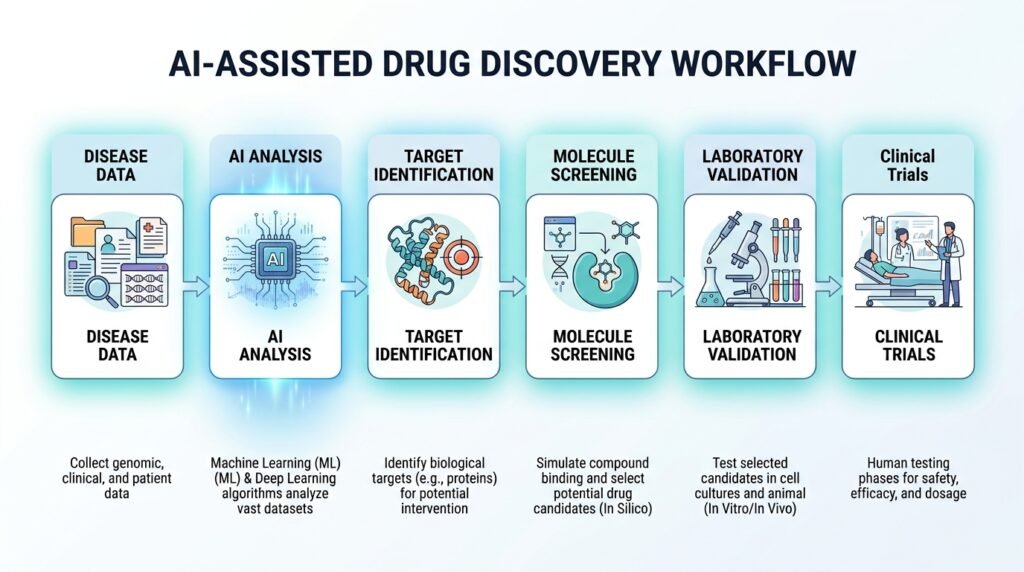
The AI-Powered Drug Discovery Workflow
A simplified AI-assisted drug discovery process looks like this:
| Stage | Traditional Approach | How AI Helps |
| Disease Research | Scientists study disease mechanisms manually | AI analyzes biomedical literature and large datasets to identify potential disease targets |
| Target Identification | Time-consuming laboratory research | AI predicts proteins or genes linked to diseases |
| Molecule Screening | Millions of compounds tested manually | AI rapidly identifies the most promising compounds |
| Drug Design | Researchers modify molecules through repeated experiments | AI suggests optimized molecular structures with desirable properties |
| Safety Prediction | Extensive laboratory testing | AI predicts toxicity and possible side effects before physical testing |
| Clinical Trials | Manual patient selection and planning | AI helps identify suitable participants and optimize trial design |
Although laboratory validation remains essential, AI significantly reduces the number of unsuccessful candidates researchers need to investigate.
AI Technologies Used in Drug Discovery
Several branches of artificial intelligence contribute to modern pharmaceutical research.
Machine Learning
Machine learning algorithms learn from existing biological and chemical data to predict how new drug candidates might behave.
For example, after studying thousands of successful and unsuccessful drugs, a machine learning model can estimate whether a newly designed molecule is likely to interact with a specific disease target.
Deep Learning
Deep learning models can identify complex relationships within molecular structures that may not be obvious to human researchers.
These models are particularly useful for:
- Protein structure prediction
- Molecular interaction analysis
- Drug-target binding prediction
- Biological image analysis
Natural Language Processing (NLP)
Every year, researchers publish millions of scientific papers.
Reading all of them manually is impossible.
Natural Language Processing (NLP) enables AI systems to analyze research papers, clinical trial reports, patents, and medical databases to identify useful information much faster than humans can.
This helps researchers stay informed and uncover hidden relationships between diseases, genes, proteins, and potential treatments.
Computer Vision
Computer vision allows AI to analyze laboratory images, tissue samples, and microscopic observations.
Researchers use it to:
- Detect abnormalities in cells
- Analyze medical imaging
- Monitor laboratory experiments
- Improve accuracy during biological testing
AI Applications Across the Drug Discovery Process
AI contributes to nearly every stage of pharmaceutical research.
1. Identifying Disease Targets
Before developing a medicine, scientists must understand what causes a disease.
AI analyzes:
- Genetic data
- Protein interactions
- Medical literature
- Patient records (where appropriate and privacy-protected)
to identify biological targets that may be suitable for treatment.
Instead of spending months reviewing research manually, AI can highlight promising targets within a much shorter time.
2. Screening Millions of Drug Candidates
One of the most time-consuming stages of drug discovery is finding molecules that may successfully interact with a disease target.
Traditional methods require testing enormous libraries of chemical compounds.
AI can virtually evaluate millions of molecules and rank those most likely to succeed.
This allows researchers to focus laboratory resources on the strongest candidates instead of testing everything experimentally.
3. Designing Better Drug Molecules
Modern AI models can assist scientists in designing entirely new molecular structures.
Researchers define the characteristics they are looking for, such as:
- Strong effectiveness
- Low toxicity
- Good stability
- Easier manufacturing
AI then suggests molecular designs that may satisfy those requirements.
Scientists evaluate these suggestions through laboratory experiments before continuing development.
4. Predicting Drug Safety
Even effective medicines can fail if they cause harmful side effects.
AI helps researchers estimate potential safety concerns earlier by predicting:
- Toxicity
- Drug interactions
- Metabolic behavior
- Possible adverse reactions
Early predictions reduce wasted resources and improve the overall efficiency of the development process.
5. Supporting Clinical Trials
Clinical trials remain one of the most expensive stages of drug development.
AI helps researchers by:
- Identifying suitable participants
- Matching patients based on medical history
- Predicting recruitment challenges
- Monitoring trial data
- Detecting unusual patterns that may require attention
While AI supports decision-making, medical professionals continue to oversee every stage of clinical research.
Real-World Example
Imagine researchers are searching for a treatment for a rare neurological disease.
Without AI, they might spend years examining millions of chemical compounds before identifying a few promising candidates.
With AI, researchers can:
- Analyze genetic data related to the disease.
- Identify proteins involved in disease progression.
- Screen millions of potential drug molecules virtually.
- Predict which compounds are most likely to bind successfully.
- Eliminate unlikely candidates before expensive laboratory testing begins.
Instead of replacing scientific experiments, AI helps researchers start with better-informed hypotheses, saving both time and resources.
Why This Matters
Drug discovery has traditionally relied on years of trial and error. AI shifts much of the early-stage work from manual exploration to data-driven prediction. By narrowing the field of promising candidates before laboratory testing begins, researchers can allocate their time and funding more effectively.
However, it’s important to remember that AI predictions are only the starting point. Every potential medicine must still undergo rigorous laboratory validation, clinical trials, and regulatory review to demonstrate that it is safe and effective for patients.
Benefits of AI in Drug Discovery
Artificial intelligence is transforming drug discovery by making research faster, more efficient, and increasingly data-driven. While AI cannot replace scientific expertise or clinical testing, it helps researchers solve some of the biggest challenges in pharmaceutical research.
Here are the most significant benefits of AI in drug discovery.
1. Faster Drug Discovery
One of AI’s greatest advantages is speed.
Traditional drug discovery often takes 10 to 15 years from initial research to regulatory approval. A significant portion of this time is spent analyzing biological data, reviewing scientific literature, and screening millions of chemical compounds.
AI automates many of these data-intensive tasks, allowing researchers to identify promising drug candidates much faster.
For example, instead of manually evaluating millions of molecules, AI models can prioritize the most promising candidates in a fraction of the time, enabling scientists to begin laboratory testing sooner.
Benefit: Faster identification of potential treatments can accelerate medical research, especially for diseases with urgent unmet needs.
2. Lower Research Costs
Drug development is one of the most expensive scientific processes.
Many candidate drugs fail after years of research, resulting in significant financial losses.
AI helps reduce costs by:
- Eliminating unlikely drug candidates early.
- Prioritizing high-potential molecules.
- Reducing unnecessary laboratory experiments.
- Improving research efficiency.
While AI does not remove the need for laboratory work or clinical trials, it allows research teams to allocate resources more effectively.
Benefit: Pharmaceutical companies can focus time, funding, and expertise on the most promising drug candidates.
3. Better Prediction of Drug Success
Choosing the wrong molecule early in development can lead to years of wasted research.
AI models analyze historical research, molecular structures, and biological interactions to estimate which compounds are more likely to succeed.
These predictions help researchers make better-informed decisions before investing in costly experiments.
It’s important to note that AI predictions are not guarantees—they provide evidence-based recommendations that still require scientific validation.
Benefit: Better decision-making increases research efficiency and reduces avoidable failures.
4. Improved Drug Repurposing
Developing an entirely new medicine takes years.
Sometimes, an existing drug may also be effective for treating a different disease.
AI can analyze medical databases, scientific literature, and biological pathways to identify new therapeutic uses for approved medicines—a process known as drug repurposing.
Because repurposed drugs already have known safety profiles, this approach may reduce development time compared with creating entirely new medicines.
Benefit: Existing medicines may reach new patient populations more quickly after appropriate research and regulatory evaluation.
5. Personalized Medicine
Every patient responds differently to treatment.
Factors such as genetics, age, lifestyle, and medical history can influence how well a medicine works.
AI helps researchers analyze these complex factors to support the development of more personalized treatment strategies.
Rather than applying a one-size-fits-all approach, researchers can better understand which therapies may be more effective for specific groups of patients.
Benefit: More targeted treatments have the potential to improve patient outcomes while reducing unnecessary side effects.
6. Improved Analysis of Complex Biological Data
Modern biomedical research generates enormous amounts of information, including:
- DNA sequences
- Protein structures
- Medical images
- Clinical trial data
- Scientific publications
- Electronic health records
Analyzing all this information manually would be nearly impossible.
AI can identify hidden patterns, relationships, and trends that researchers might otherwise overlook.
This allows scientists to generate new hypotheses and make better-informed research decisions.
Benefit: AI transforms vast amounts of biomedical data into actionable scientific insights.
7. Enhanced Collaboration Between Humans and AI
Contrary to popular belief, AI is not replacing pharmaceutical scientists.
Instead, it supports researchers by handling repetitive and data-intensive tasks, allowing experts to focus on:
- Designing experiments
- Interpreting results
- Developing treatment strategies
- Solving complex scientific problems
This collaboration combines the speed of AI with human judgment, creativity, and clinical expertise.
Benefit: Researchers spend more time on innovation and less time on repetitive data analysis.
Summary of Benefits
| Benefit | How AI Helps |
| Faster Research | Accelerates data analysis and candidate identification |
| Lower Costs | Reduces unnecessary experiments and improves efficiency |
| Better Predictions | Identifies promising drug candidates earlier |
| Drug Repurposing | Finds new uses for existing medicines |
| Personalized Medicine | Supports more targeted treatment strategies |
| Data Analysis | Processes massive biological datasets quickly |
| Human-AI Collaboration | Enhances researcher productivity and decision-making |
Real-World Impact
The impact of AI in drug discovery extends beyond pharmaceutical companies. Faster and more efficient research has the potential to benefit healthcare systems, researchers, and ultimately patients.
For example, during global health emergencies, researchers can use AI to rapidly analyze biological data, prioritize potential drug candidates, and support the search for effective treatments. Although every candidate must still undergo rigorous laboratory testing and clinical trials, AI helps scientists make informed decisions earlier in the research process.
Similarly, AI-assisted drug discovery is opening new possibilities for rare diseases, where traditional research may have been limited by time, cost, or available data. By uncovering patterns across genetic, molecular, and clinical information, AI can help researchers identify opportunities that might otherwise remain undiscovered.
Best Practices for Using AI in Drug Discovery
To maximize the benefits of AI while maintaining scientific integrity, researchers should:
- Use high-quality, diverse, and well-curated datasets.
- Validate AI predictions through laboratory experiments.
- Combine AI insights with human scientific expertise.
- Ensure transparency in AI models where possible.
- Follow ethical guidelines and regulatory requirements.
- Continuously monitor and update AI systems with new research findings.
These practices help ensure that AI remains a reliable tool for supporting—not replacing—the scientific process.
Real-World Examples of AI in Drug Discovery
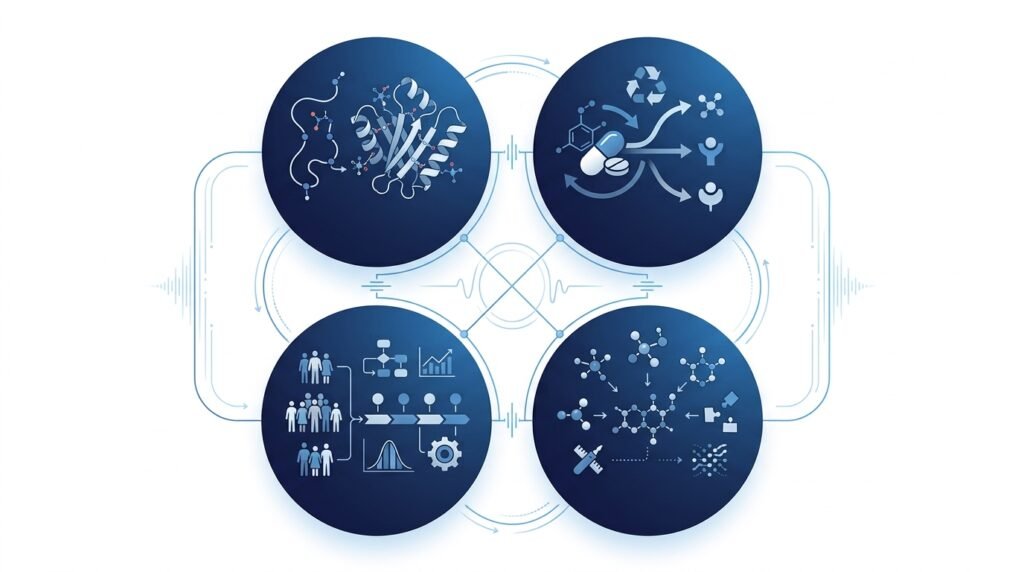
Artificial intelligence is no longer a theoretical concept in pharmaceutical research. Today, leading biotechnology companies, pharmaceutical organizations, and research institutions use AI to support different stages of drug discovery—from understanding diseases to designing potential drug candidates.
Below are some well-known examples that demonstrate how AI is being applied responsibly in real-world research.
1. DeepMind’s AlphaFold and Protein Structure Prediction
One of the biggest breakthroughs in biology came with AlphaFold, an AI system developed by Google’s DeepMind.
Proteins are essential building blocks of life, and understanding their three-dimensional structures is critical for developing new medicines. Traditionally, determining protein structures could take months or even years of laboratory work.
AlphaFold uses AI to predict protein structures with remarkable accuracy, helping researchers better understand how diseases work and how potential drugs may interact with specific proteins.
Although AlphaFold does not design medicines directly, it provides valuable insights that support scientists during the early stages of drug discovery.
Why it matters
- Accelerates biological research.
- Improves understanding of diseases.
- Supports the identification of new drug targets.
2. Insilico Medicine
Insilico Medicine is a biotechnology company that uses artificial intelligence throughout various stages of pharmaceutical research.
Its AI platforms help researchers:
- Identify disease targets.
- Design potential drug molecules.
- Analyze biological data.
- Prioritize promising compounds for laboratory testing.
The company has demonstrated how AI can significantly shorten early-stage research timelines by helping scientists focus on the most promising candidates.
Why it matters
AI helps researchers spend less time searching for potential drug candidates and more time validating them through experiments.
3. BenevolentAI
BenevolentAI combines artificial intelligence with biomedical research to uncover relationships between diseases, genes, proteins, and potential treatments.
Instead of analyzing scientific literature manually, researchers use AI to process vast collections of biomedical publications and identify hidden connections that may lead to new therapeutic opportunities.
This approach supports scientists in generating research hypotheses more efficiently.
Why it matters
AI enables researchers to discover patterns that would be difficult to identify through manual analysis alone.
4. Recursion
Recursion is another biotechnology company using AI alongside automated laboratory experiments.
Its platform combines:
- High-throughput biology
- Machine learning
- Computer vision
to analyze millions of cellular images and identify potential drug candidates.
Rather than relying solely on traditional laboratory methods, researchers use AI to recognize biological patterns and prioritize experiments with greater confidence.
Why it matters
Combining AI with laboratory automation helps researchers evaluate more biological data in less time.
5. AI During the COVID-19 Pandemic
During the COVID-19 pandemic, researchers worldwide used AI to support various aspects of scientific research.
AI assisted researchers by:
- Analyzing scientific publications.
- Identifying potential drug candidates.
- Predicting protein interactions.
- Supporting vaccine and therapeutic research.
- Accelerating data analysis.
While AI did not replace laboratory experiments or clinical trials, it helped scientists process rapidly growing amounts of information during a global health emergency.
Why it matters
This demonstrated how AI can assist researchers when rapid analysis of complex biomedical data is critical.
How Pharmaceutical Companies Are Using AI
Many pharmaceutical companies are integrating AI into their research workflows.
Common applications include:
- Identifying new drug targets.
- Predicting molecular interactions.
- Screening chemical libraries.
- Optimizing clinical trial recruitment.
- Forecasting treatment responses.
- Supporting precision medicine initiatives.
Importantly, AI is generally used as a decision-support tool rather than an autonomous system. Human scientists continue to evaluate AI-generated insights before moving forward with laboratory testing and clinical development.
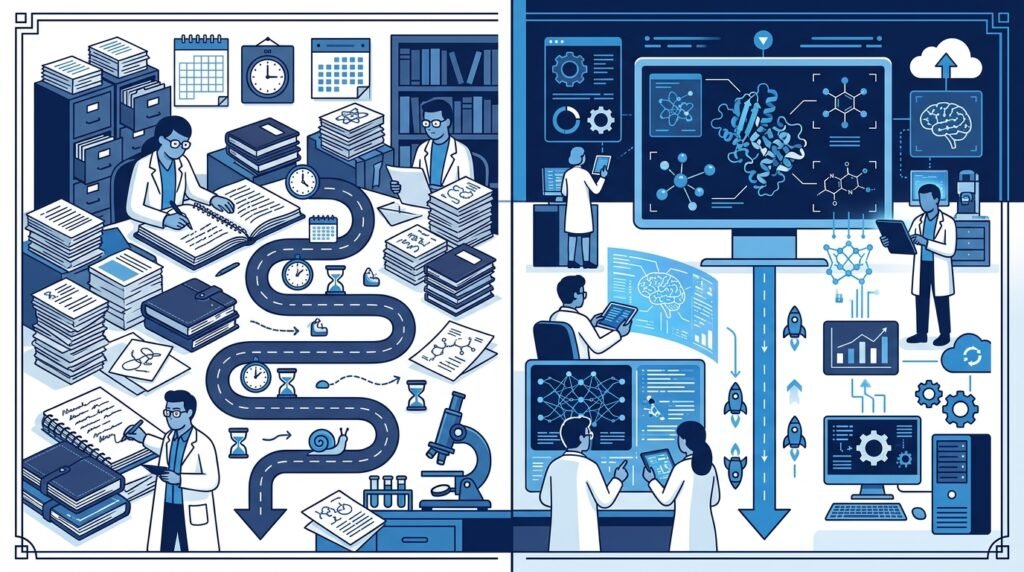
Comparison: Traditional vs AI-Assisted Drug Discovery
| Aspect | Traditional Drug Discovery | AI-Assisted Drug Discovery |
| Data Analysis | Mostly manual | Automated analysis of massive datasets |
| Molecule Screening | Time-intensive | Rapid virtual screening of millions of compounds |
| Drug Target Identification | Literature review and experiments | AI-assisted pattern recognition and prediction |
| Research Speed | Often several years | Faster early-stage research and prioritization |
| Cost Efficiency | Higher due to extensive trial-and-error | Better resource allocation through informed predictions |
| Human Role | Scientists perform most analytical tasks | Scientists validate and interpret AI-generated insights |
Challenges and Limitations of AI in Drug Discovery
Despite its remarkable potential, AI is not a magic solution.
Several challenges still limit its effectiveness.
1. High-Quality Data Is Essential
AI models are only as good as the data used to train them.
Incomplete, biased, or inaccurate datasets can lead to unreliable predictions.
Maintaining high-quality biomedical data remains one of the biggest challenges in AI-driven pharmaceutical research.
2. AI Predictions Require Laboratory Validation
AI can suggest promising drug candidates, but it cannot confirm whether a medicine is safe or effective.
Every prediction must still undergo:
- Laboratory experiments
- Animal studies (where applicable and regulated)
- Clinical trials
- Regulatory review
AI helps prioritize research—it does not replace scientific validation.
3. Biological Systems Are Extremely Complex
Human biology is incredibly intricate.
Many diseases involve thousands of interacting genes, proteins, and environmental factors.
Even advanced AI models cannot fully capture every biological interaction, which is why expert scientific judgment remains essential.
4. Ethical and Regulatory Considerations
Healthcare is a highly regulated field.
Researchers must ensure that AI systems are:
- Transparent where possible.
- Fair and unbiased.
- Secure.
- Compliant with healthcare regulations.
- Used responsibly alongside human oversight.
Responsible AI development is just as important as technological advancement.
5. High Computational Requirements
Training advanced AI models often requires powerful computing infrastructure, specialized expertise, and significant financial investment.
Smaller research organizations may face challenges adopting these technologies without access to sufficient computational resources.
Common Misconceptions About AI in Drug Discovery
“AI can discover new medicines completely on its own.”
False.
AI helps identify promising candidates and analyze data, but scientists must validate every finding through rigorous experiments and clinical testing.
“AI will replace pharmaceutical researchers.”
False.
AI automates repetitive analytical tasks, allowing researchers to spend more time designing experiments, interpreting results, and solving complex scientific problems.
“AI guarantees successful drug development.”
False.
Drug discovery remains a challenging process with many uncertainties. AI improves efficiency and decision-making but cannot eliminate the risks associated with developing new medicines.
The Future of AI in Drug Discovery
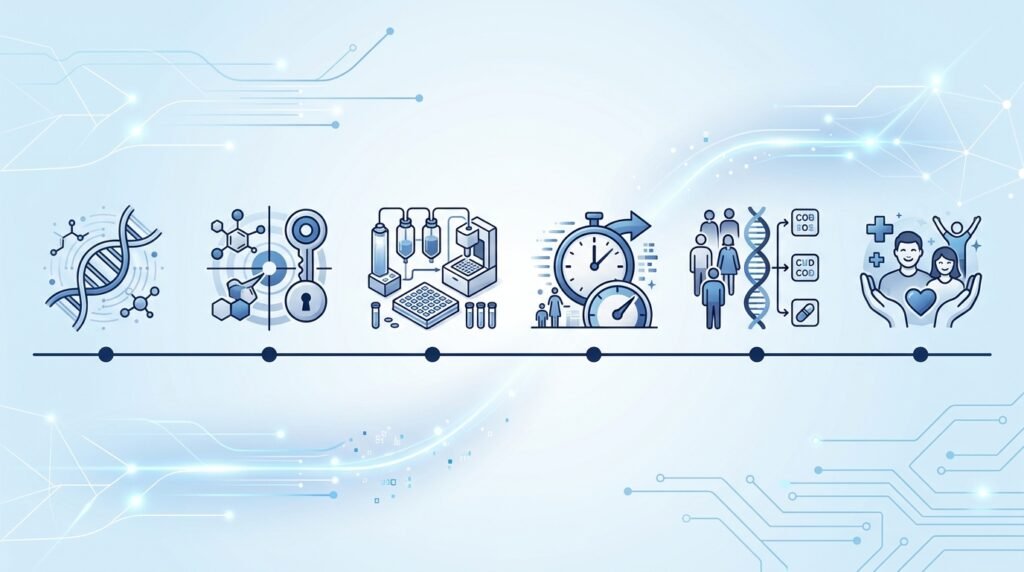
Artificial intelligence is already changing how medicines are discovered, but its role is expected to grow even further over the coming years. As AI models become more accurate and researchers gain access to larger, higher-quality biomedical datasets, AI will likely become an even more valuable partner throughout the drug development process.
Rather than replacing scientists, the future of drug discovery will focus on human-AI collaboration, where artificial intelligence accelerates data analysis while researchers provide scientific expertise, critical thinking, and clinical judgment.
Here are some of the most promising developments shaping the future.
1. More Personalized Medicine
Not every patient responds to a treatment in the same way.
Future AI systems may help researchers design medicines tailored to an individual’s:
- Genetic profile
- Medical history
- Lifestyle
- Disease progression
This approach, often called personalized or precision medicine, aims to improve treatment effectiveness while reducing unnecessary side effects.
2. Faster Drug Development
As AI models improve, researchers may be able to identify promising drug candidates more quickly and reduce the number of unsuccessful compounds entering laboratory testing.
While clinical trials and regulatory approval will always remain essential, AI has the potential to shorten the early research phase significantly.
3. Better Prediction of Drug Safety
Future AI systems are expected to become more effective at predicting:
- Drug toxicity
- Side effects
- Drug-drug interactions
- Patient responses
Improved predictions could help researchers identify safety concerns earlier, reducing development costs and improving patient safety.
4. AI-Powered Laboratory Automation
Modern laboratories are increasingly combining robotics with artificial intelligence.
In the future, AI may help automate repetitive research tasks such as:
- Designing experiments
- Monitoring laboratory equipment
- Recording observations
- Analyzing experimental results
Scientists will still oversee the research, but automation can improve efficiency and reduce manual workload.
5. Discovering Treatments for Rare Diseases
Many rare diseases receive limited research funding because developing treatments can be expensive and commercially challenging.
AI may help researchers identify promising drug candidates for these conditions by uncovering patterns in genetic and biomedical data that would otherwise be difficult to detect.
This could open new opportunities for patients who currently have limited treatment options.
Looking Ahead
The future of AI in drug discovery is not about replacing scientific expertise—it’s about giving researchers better tools to solve increasingly complex medical challenges.
As AI, biotechnology, genomics, and computing continue to advance together, the pharmaceutical industry is likely to become more data-driven, collaborative, and efficient.
However, every new medicine will still require rigorous scientific testing, ethical oversight, and regulatory approval before it can be safely used by patients.
Frequently Asked Questions (FAQs)
What is AI in drug discovery?
AI in drug discovery refers to the use of artificial intelligence and machine learning to help researchers identify potential drug candidates, analyze biological data, predict molecular behavior, and support pharmaceutical research.
How does AI help discover new medicines?
AI analyzes large volumes of biological, chemical, and clinical data to identify patterns and prioritize promising drug candidates. Researchers then validate these findings through laboratory experiments and clinical trials.
Can AI replace pharmaceutical scientists?
No.
AI is a decision-support tool that assists researchers by automating data analysis and identifying patterns. Human scientists remain responsible for designing experiments, interpreting results, and ensuring treatments are safe and effective.
Which AI technologies are used in drug discovery?
Several AI technologies contribute to pharmaceutical research, including:
- Machine Learning
- Deep Learning
- Natural Language Processing (NLP)
- Computer Vision
- Predictive Analytics
Each technology supports different stages of the drug discovery process.
What are the benefits of AI in drug discovery?
Some of the key benefits include:
- Faster research
- Reduced development costs
- Better identification of promising drug candidates
- Improved analysis of biomedical data
- Support for personalized medicine
- More efficient clinical trial planning
What are the limitations of AI in drug discovery?
AI depends on high-quality data and cannot replace laboratory experiments or clinical trials. Its predictions require validation by researchers, and ethical, regulatory, and privacy considerations remain important.
Is AI already used by pharmaceutical companies?
Yes.
Many pharmaceutical and biotechnology companies use AI to support various stages of drug discovery, including target identification, molecule screening, toxicity prediction, and clinical trial optimization.
Conclusion
Artificial intelligence is transforming drug discovery by helping researchers analyze data more efficiently, identify promising drug candidates, and accelerate the early stages of pharmaceutical research. By reducing the time required to analyze complex biological information and prioritizing the most promising compounds, AI enables scientists to focus their efforts where they are most likely to make meaningful progress.
However, AI is not a replacement for scientific expertise. Every potential medicine must still undergo extensive laboratory testing, clinical trials, and regulatory review before reaching patients. The most successful future of drug discovery will come from combining the speed and analytical capabilities of AI with the experience, creativity, and judgment of researchers and healthcare professionals.
As advances in artificial intelligence, genomics, and biotechnology continue, AI-assisted drug discovery is expected to play an increasingly important role in developing safer, more effective treatments for diseases that affect millions of people worldwide.
For beginners, understanding how AI supports pharmaceutical research offers valuable insight into one of the most meaningful real-world applications of artificial intelligence—where technology has the potential to improve lives and shape the future of healthcare.
Continue Your AI Journey
Keep building your AI knowledge with these beginner-friendly guides.
-

AI in Patient Care (2026): 7 Clinical Workflows Transforming Patient Outcomes
Learn more : AI in Patient Care (2026): 7 Clinical Workflows Transforming Patient Outcomes🕒 10-12 min read • Updated: July 2026 Introduction Artificial Intelligence (AI) is transforming healthcare in ways that…
-
AI in Drug Discovery: 7 Ways AI Is Changing Medicine in 2026
Learn more : AI in Drug Discovery: 7 Ways AI Is Changing Medicine in 2026🕒 10-12 min read • Updated: July 2026 introduction Artificial intelligence (AI) is transforming industries worldwide, and healthcare…
-

AI in Medical Diagnosis (2026): 5 Proven Workflows Saving Time & Cutting Diagnostic Errors
Learn more : AI in Medical Diagnosis (2026): 5 Proven Workflows Saving Time & Cutting Diagnostic Errors🕒 12 min read • Updated: July 2026 Introduction Artificial intelligence (AI) is no longer a futuristic concept…
-

AI in Healthcare Explained: A Complete Beginner’s Guide
Learn more : AI in Healthcare Explained: A Complete Beginner’s Guide🕒 10-12 min read • Updated: July 2026 Introduction Every day, hospitals generate enormous amounts of medical data—from…
Related Articles
Explore more guides and resources related to this topic.
-

ChatGPT Complete Guide for Beginners (2026): Master AI Step-by-Step
Learn more : ChatGPT Complete Guide for Beginners (2026): Master AI Step-by-Step🕒 20-25 min read • Updated: Aug 2026 Introduction Introduction Artificial intelligence is changing how people learn, work,…
-

Master Prompt Engineering in 2026: A Step-by-Step Beginner’s Guide
Learn more : Master Prompt Engineering in 2026: A Step-by-Step Beginner’s Guide🕒 18-20 min read • Updated: Aug 2026 Introduction Artificial intelligence (AI) tools like ChatGPT, Claude, Gemini, and…
-
Large Language Models (LLMs) Explained: The Complete 2026 Beginner’s Guide
Learn more : Large Language Models (LLMs) Explained: The Complete 2026 Beginner’s Guide🕒 14-16 min read • Updated: Aug 2026 Introduction Artificial Intelligence has become part of everyday life. Whether…
-

Best AI Image Generators in 2026: 10 Free & Paid Tools Tested
Learn more : Best AI Image Generators in 2026: 10 Free & Paid Tools Tested🕒 15 min read • Updated: July 2026 introduction Creating stunning images no longer requires years of design…
-
10 Best AI Chatbots in 2026: Tested & Ranked for Every Use Case
Learn more : 10 Best AI Chatbots in 2026: Tested & Ranked for Every Use Case🕒 10-12 min read • Updated: July 2026 introduction Artificial intelligence has made chatbots far more capable than…
-
ChatGPT vs Microsoft Copilot (2026): Tested, Pricing & Workflow Comparison
Learn more : ChatGPT vs Microsoft Copilot (2026): Tested, Pricing & Workflow Comparison🕒 10-12 min read • Updated: July 2026 Introduction Choosing between ChatGPT and Microsoft Copilot can be challenging,…
Recommended AI Tools
Want to experience AI firsthand? Start with these beginner-friendly tools:
- ChatGPT – Brainstorm ideas, summarize research, and explain complex topics.
- Perplexity AI – Search the web with AI-powered answers and cited sources.
- Claude – Generate well-structured writing and analyze long documents.
- Google Gemini – Explore multimodal AI within the Google ecosystem.
References
- World Health Organization (WHO). World Health Organization. https://www.who.int/ (Accessed July 2026)
- U.S. Food & Drug Administration (FDA). Drug Development Process. https://www.fda.gov/drugs/development-approval-process-drugs (Accessed July 2026)
- Google DeepMind. AlphaFold. https://deepmind.google/science/alphafold/ (Accessed July 2026)
- National Library of Medicine (PubMed). https://pubmed.ncbi.nlm.nih.gov/ (Accessed July 2026)
- European Medicines Agency (EMA). https://www.ema.europa.eu/ (Accessed July 2026)
- Nature Portfolio. Artificial Intelligence. https://www.nature.com/subjects/artificial-intelligence (Accessed July 2026)
Leave a Reply